By Eillie Anzilotti
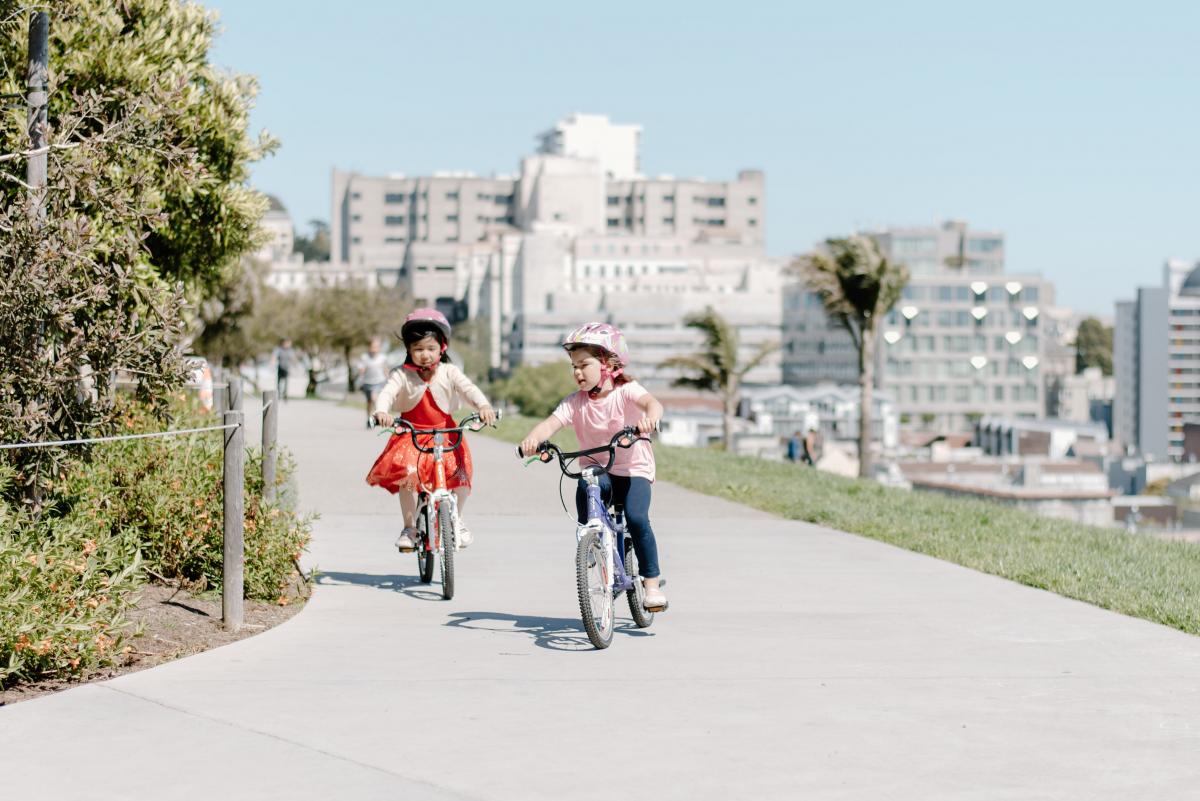
The Active Communities Plan will making biking safer, more accessible and more joyful for all.
San Francisco is creating a new plan for active transportation — and every person has a role to play in shaping it!
We are excited to share that the Active Communities Plan officially launches this month. Here, you can learn more about what that means, and how you can get involved.
What is the Active Communities Plan?
The Active Communities Plan (ACP) is the first update to the Citywide Bicycle Master Plan since 2009. A lot has changed in the last 13 years. People now use the bike network for all kinds of travel, including scooters, skateboards, powerchairs, and other electric mobility devices. As network use grows, people need better and safer places to ride. Supporting safe, low-carbon travel is more important than ever, but many communities also have concerns about the implications of these changes. We need your input to build a plan that reflects community needs and values and helps prioritize and direct investments.
The ACP provides a 10-15 year roadmap for projects and programs to support biking and rolling in San Francisco. It will expand and improve the existing bike network with recommendations for new protected lanes, Neighborways, or Slow Streets. It will also recommend improvements to bikeshare and scootershare, new device parking, and programs to support and encourage new riders. The co-creation process will be inclusive, forward-thinking and community-driven, resulting in a plan that reflects the needs and vision of all San Franciscans.
What are the goals of the Active Communities Plan?
The ACP will make active transportation safer, more accessible and more joyful for all.
Being able to roll or bike through San Francisco can be an empowering choice when it is inclusive and safe. It avoids vehicle congestion and reliance on schedules. It supports door-to-door trips and, quite often, creates feelings of freedom and joy. Through this plan, we want to ensure that people of all ages and abilities who want to participate in active transportation can choose to do so. Our year-long outreach process will center community input and create a plan that improves transportation options for everyone, advances equity and repairs past harms, builds trust, supports safety, and simply reduces stress in people’s daily lives. We will prioritize engagement with people often not centered in conversations about transportation: people with disabilities, communities of color, young people, seniors, and monolingual residents. With deep collaboration from the outset, we will ensure a broad, diverse range of needs are heard and addressed.
While in-depth outreach and engagement is central to the ACP, there is real urgency behind the plan. Our citywide goals for eliminating traffic deaths and reducing our carbon footprint depend on making active mobility safer and more accessible to all. We’re excited to begin this transformative process and look forward to hearing from you!
How can I get involved?
Outreach for the ACP begins in January and will continue through all of 2023. Every San Franciscan will have the opportunity to participate. While outreach and engagement opportunities will span the whole city, the ACP will center the following equity priority communities: SoMa, the Tenderloin, Western Addition/Fillmore, Bayview-Hunters Point, the Mission and Outer Mission/Excelsior. In each of these communities, the SFMTA is partnering with local organizations that will host and participate in a range of outreach and engagement opportunities to learn more about their unique needs and experiences:
-
Mission District & Outer Mission/Excelsior: PODER’s Bicis del Pueblo program develops bicycling skills and environmental justice awareness in low-income communities of color.
-
Bayview-Hunters Point: Bayview Hunters Point Community Advocates empowers residents around transportation and environmental justice issues.
-
Tenderloin: The Tenderloin Community Benefit District provides services and programming to create a vibrant community for all.
-
SoMa: SoMa Pilipinas manages the Filipino Cultural Heritage District and focuses on economic, social and transportation justice.
-
Western Addition/Filmore: New Community Leadership Foundation works to transform and empower disenfranchised communities across the city.
There will also be many opportunities, from interactive websites to community bike audits, for people across San Francisco to weigh in - with The San Francisco Bicycle Coalition providing additional staffing support for our citywide outreach work. To learn more about how to get involved, keep an eye on our website and subscribe to project updates.
For next steps and opportunities to get involved, visit the Active Communities Project Plan page (SFMTA.com/ActiveCommunities).
Published January 27, 2023 at 11:34PM
https://ift.tt/wyWgBpo
Comments
Post a Comment
If you have any doubt's, please let me know