By Stephen Chun
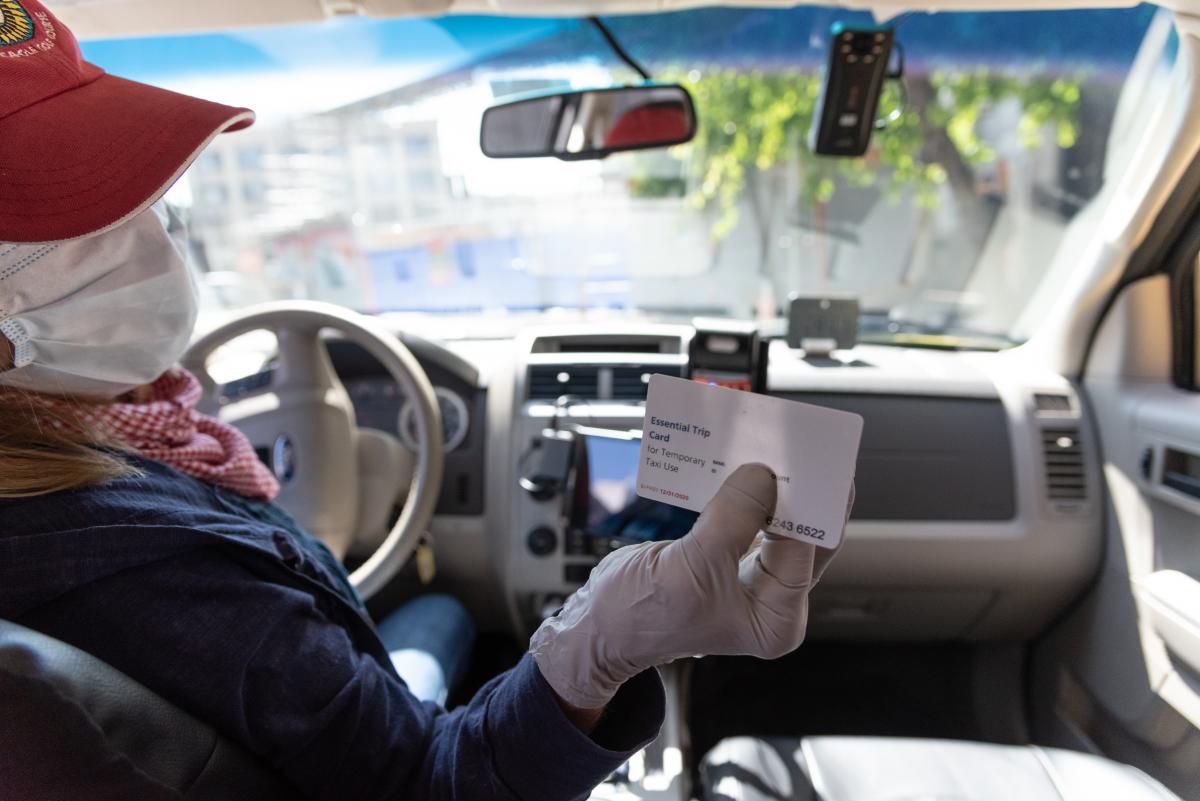 During a time of unprecedented uncertainty, we reflect on a very successful 18 months since the launch of our Essential Trip Card (ETC) program. The ETC is administered through the SFMTA’s Paratransit program (SF Paratransit) which has provided door to door van and taxi (paratransit) services for more than 40 years to people who are unable to independently use Muni, for some, all the time, because of a disability or disabling health condition.
In response to the Muni service reductions in April 2020, the ETC program was launched to provide seniors and persons with disabilities with safe and door-to-door taxi service to essential services during the pandemic as a supplement to the existing Muni service. Such essential trips include grocery shopping, pharmacy visits, medical treatments, and later, vaccination appointments.
Once enrolled, ETC participants receive a monthly taxi subsidy of $60 (for a $12 cost) to pay for taxi rides, similar to a regular card payment for a taxi. This allows participants to take approximately four to five one-way trips each month via taxi while receiving an 80% discount.
In an effort to continue providing discounted taxi services and prioritizing access to vaccinations for its participants, the SFMTA issued a one-time allotment increase of $60 (for an additional $12 cost) in February 2021, when vaccines started becoming widely available. This provision avoided participants dipping into their existing monthly trip budget while being able to use a taxi services to get to and from their vaccination appointments. And while an ETC participant is limited to a $60 monthly subsidy, those with extenuating circumstances who may have greater transportation needs can request a permanent increase of their monthly taxi allotment to $120, or rather another $60 allotment increase (for a $12 cost).
The ETC has been a critical and previously mentioned, a successful program for those seniors and riders with disabilities. Even as SFMTA provides additional service to ensure that 98% of residents live or work within two blocks of a Muni stop, the ETC program remains a lifeline for important trips that are difficult for seniors and persons with disabilities to make on Muni. Furthermore, as trip numbers were higher after the vaccination availability than from before, this program has instilled greater self confidence for seniors and persons with disabilities to make essential trips as such and provides a safety net for greater mobility and engagement as they resume their normal activities.
Since its inception, approximately 4,400 seniors and persons with disabilities have enrolled in the program and over 86,000 trips have been performed. A strong partnership between SFMTA, SF Paratransit and the taxi industry, executing successful community-based outreach and incorporating public feedback, including those from the Paratransit Coordinating Council, were all key components in implementing the program so quickly and with such success!
SF Paratransit and ETC intends to roll the program into FY21-22 and is committed to continuing to provide safe, reliable and discounted taxi service trips for seniors and people with disabilities. For eligibility, registration and FAQ’s, please visit the Essential Trip Card webpage.
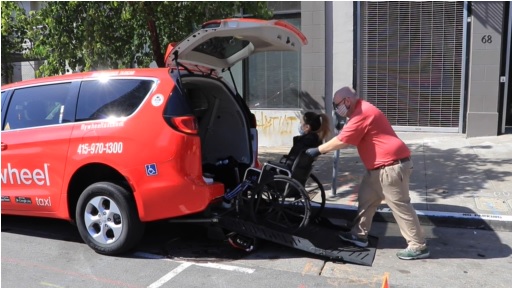
As an added note, SF Paratransit for those with disabilities who are eligible under the Americans with Disabilities Act (ADA) is provided throughout San Francisco, including Treasure Island, to the northernmost part of Daly City in San Mateo County and to the Marin Headlands on weekends. Also, once ADA-certified to use paratransit, a participant may also be eligible to receive ADA paratransit services in other cities and states. Please visit our SF Paratransit Eligibility and Registration page for more information.
Published October 01, 2021 at 10:11PM
https://ift.tt/3uxd43L
Comments
Post a Comment
If you have any doubt's, please let me know